Bathroom
Why Bathroom Anti Slip Flooring Matters: Safety Tips & Solutions
Apr 24 2026
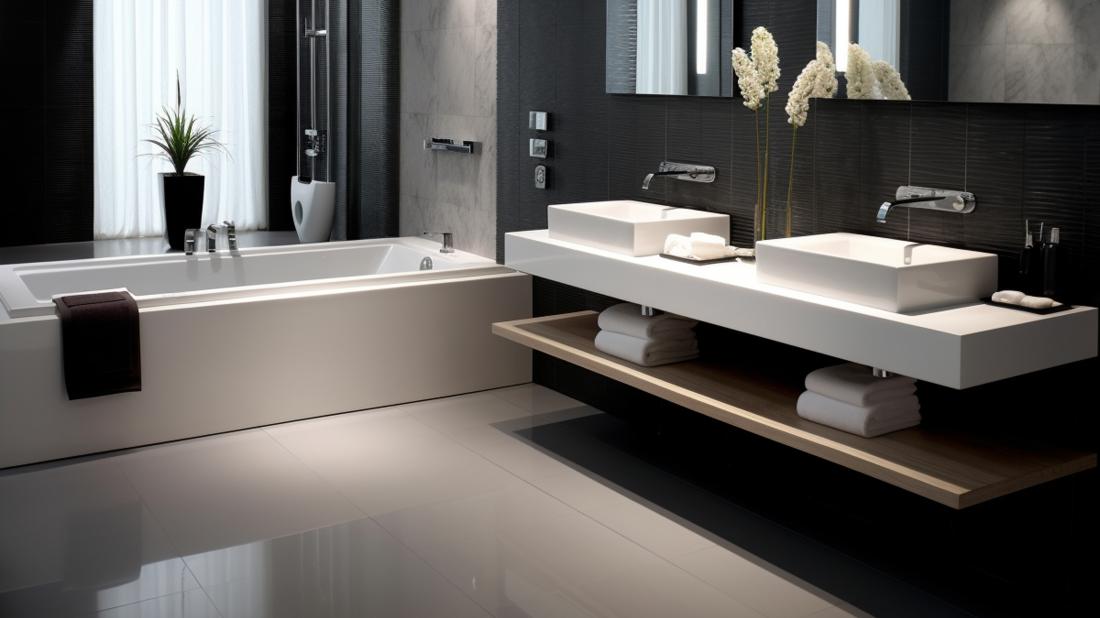
Bathrooms are one of the most accident-prone spaces in any home, and in a humid country like Malaysia, the risk is even higher. Wet floors, soap residue, and poor ventilation all contribute to slippery surfaces that can cause serious injuries. Investing in the right bathroom anti-slip flooring is not just about aesthetics — it is about protecting the people you love.
In Malaysia, bathroom falls are a leading cause of home injuries, particularly among the elderly and young children. The combination of tropical heat, high humidity, and frequent water splashing makes bathroom floors perpetually damp. Most households use ceramic or porcelain tiles, which look beautiful but become dangerously slick when wet. This is exactly why understanding bathroom anti-slip flooring — what it is, how it works, and how to choose it — matters so much for every Malaysian household.
In Malaysia, bathroom falls are a leading cause of home injuries, particularly among the elderly and young children. The combination of tropical heat, high humidity, and frequent water splashing makes bathroom floors perpetually damp. Most households use ceramic or porcelain tiles, which look beautiful but become dangerously slick when wet. This is exactly why understanding bathroom anti-slip flooring — what it is, how it works, and how to choose it — matters so much for every Malaysian household.
The Real Danger Hiding in Your Bathroom
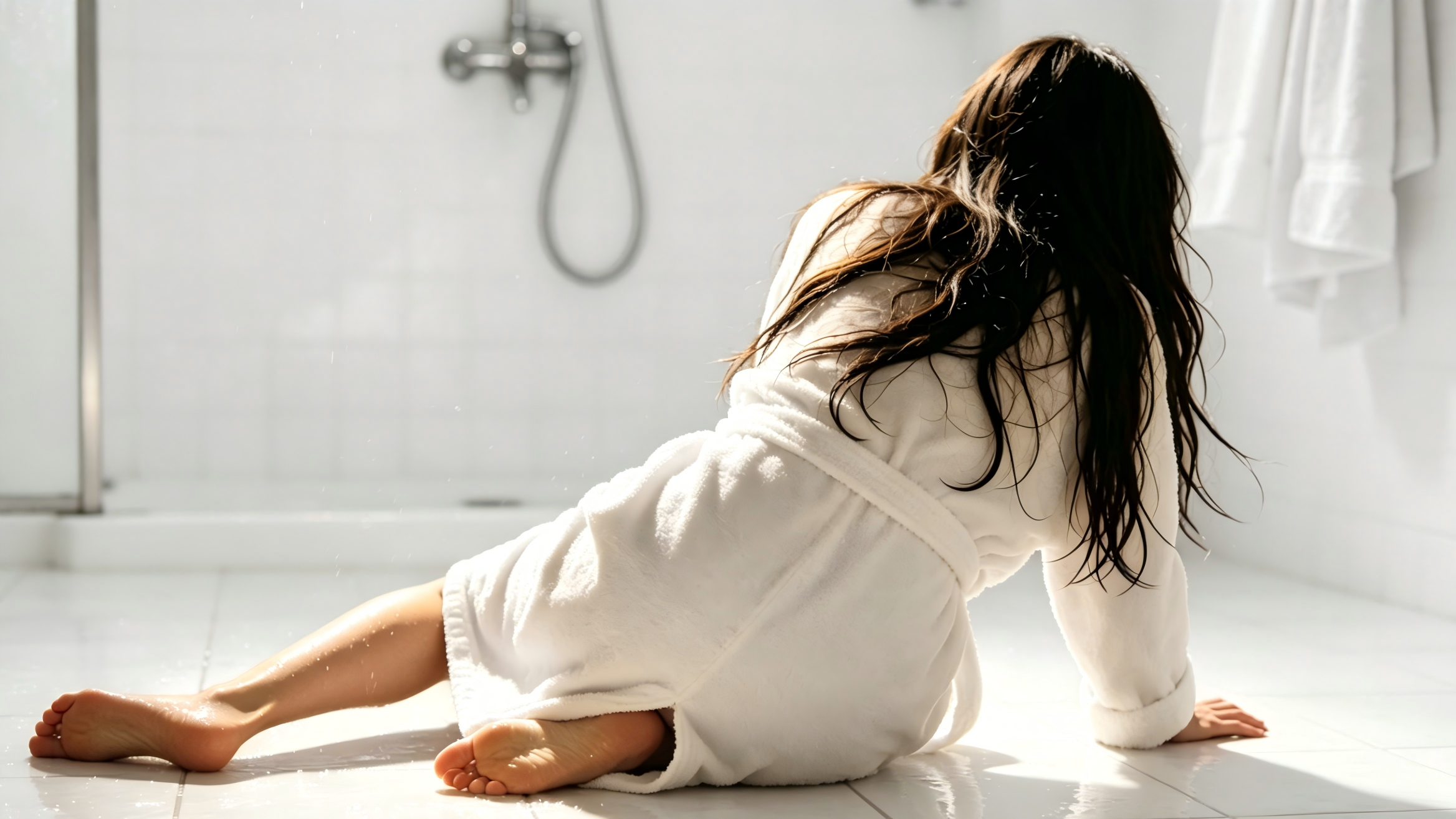
Most people do not think about bathroom safety until an accident happens. But the statistics are sobering. According to safety researchers and public health data, bathroom falls account for a significant portion of non-fatal injuries treated in emergency rooms each year — across all age groups, not just the elderly.
In a Malaysian context, the situation is compounded by lifestyle factors. Many homes still use squat-style wet bathrooms where the entire floor gets soaked during showers. Even modern bathrooms with dry zones can quickly become hazardous when water travels across smooth tile surfaces. Add in the occasional spilled shampoo bottle or a child running out of the shower, and you have a recipe for a painful fall.
The surface coefficient of friction — the technical measure of how much grip a floor provides — drops dramatically when tiles get wet. A floor that feels perfectly safe when dry can turn into something close to an ice rink when it is soaking wet. This is the core problem that anti-slip bathroom solutions are designed to address.
What Is Bathroom Anti-Slip Flooring?
Bathroom anti-slip flooring refers to any flooring material or treatment that increases traction underfoot, reducing the likelihood of slipping on a wet surface. It is not a single product but rather a broad category that covers textured tiles, treated surfaces, mat solutions, and chemical coatings.
The effectiveness of any anti-slip flooring is typically measured by its slip resistance rating. In Malaysia, the industry often references standards from Australia (AS 4586) or Germany (DIN 51130), which categorise floors based on their wet pendulum test results or ramp test values. A higher classification means greater slip resistance.
What many homeowners do not realise is that anti-slip bathroom solutions come in many forms — some are installed during renovation, while others can be applied to an existing bathroom without tearing up a single tile. This makes upgrading your bathroom's safety more accessible and affordable than most people expect.
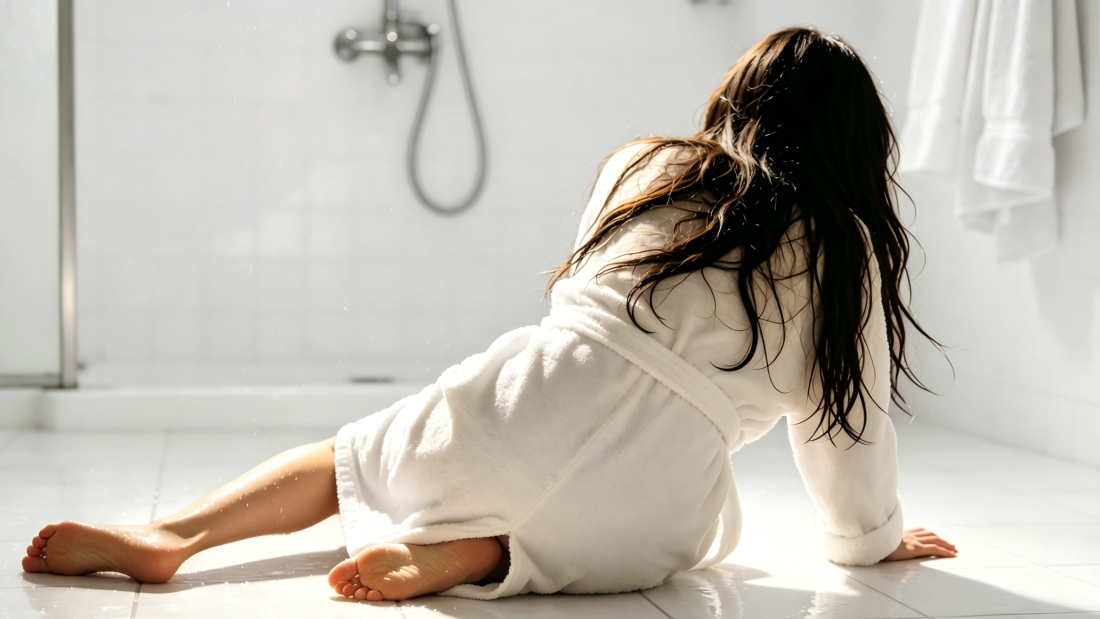
Types of Anti-Slip Bathroom Solutions Available in Malaysia
1. Textured and Matte Tiles
One of the most popular choices for new bathroom builds or renovations in Malaysia is textured or matte-finish tiles. Unlike polished tiles, which have a smooth, reflective surface, matte tiles have a slightly rough texture that retains grip even when wet. Many local tile distributors and hardware stores in Kuala Lumpur, Petaling Jaya, and Johor Bahru now carry wide ranges of anti-slip rated tiles specifically designed for wet areas.
When shopping for tiles, look for products labelled with an R rating (R9 to R13, with R13 being the most slip resistant) or a P rating (P3 to P5) for wet barefoot areas. For domestic bathrooms, an R10 or P4 rating is usually sufficient. For homes with elderly residents or young children, going up to R11 or P5 adds an extra layer of safety.
2. Anti-Slip Coatings and Treatments
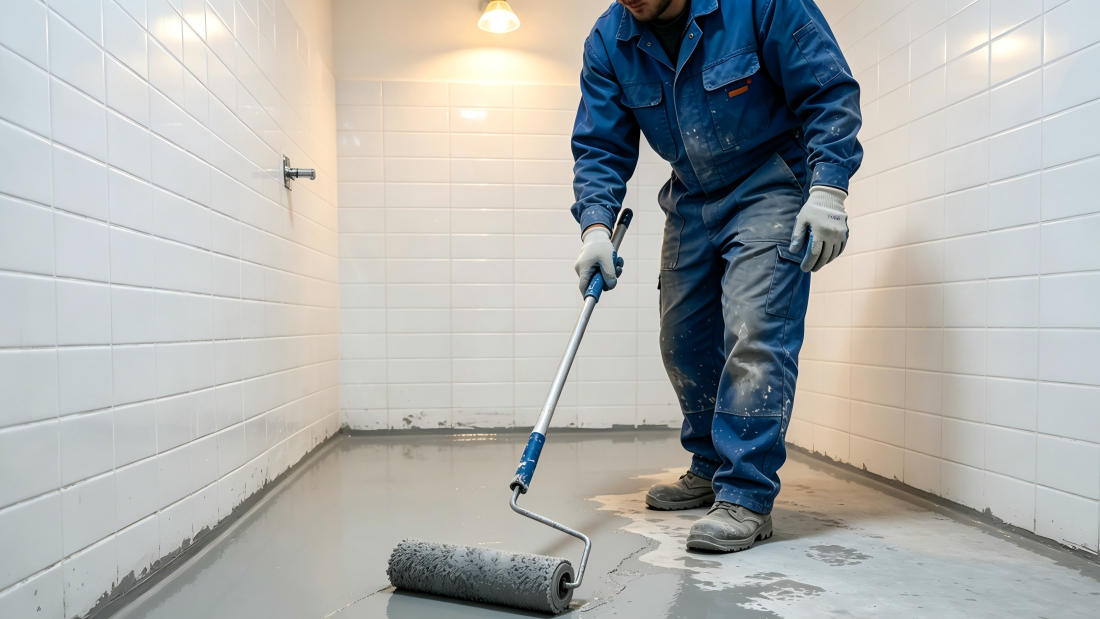
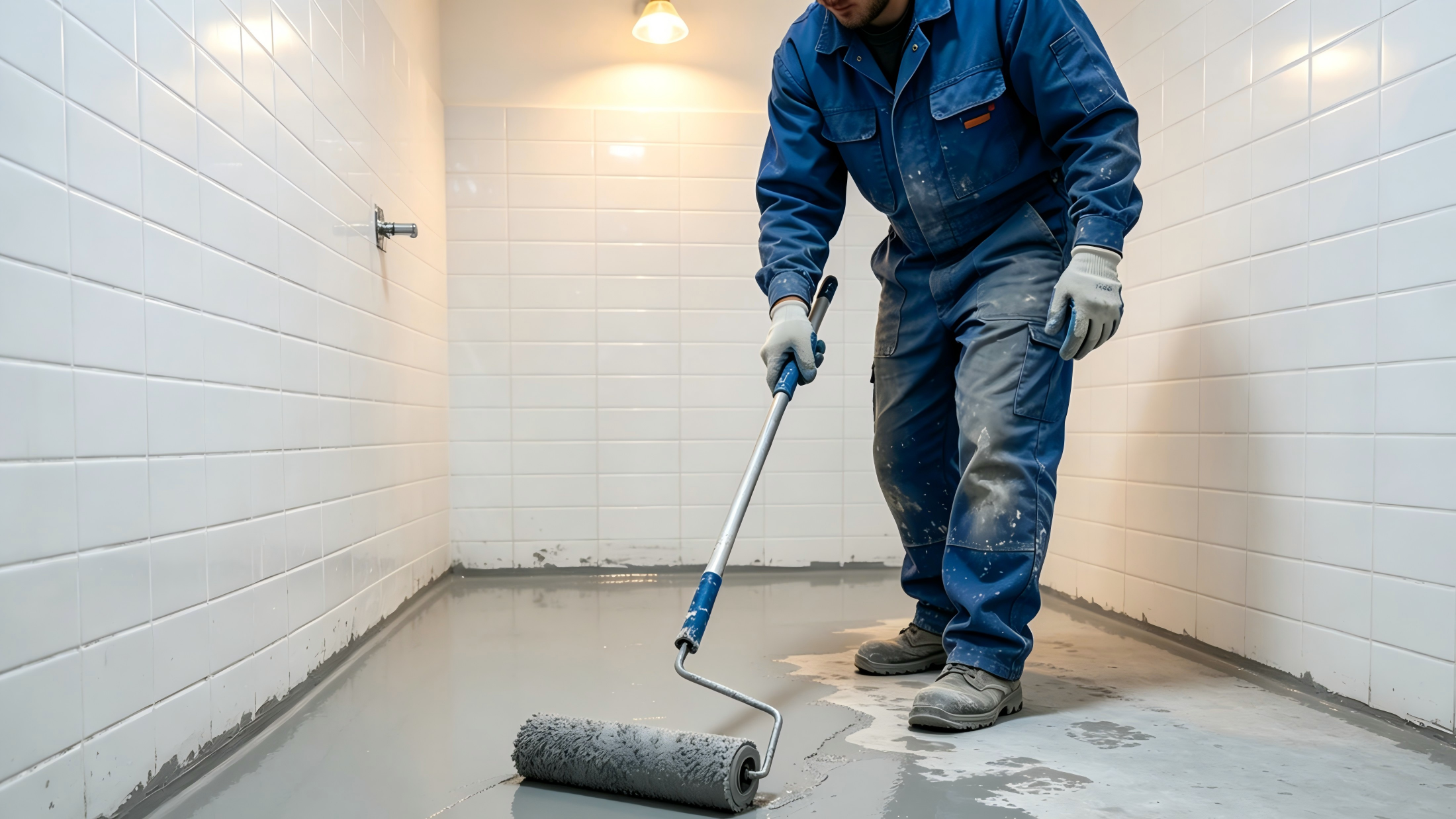
If you already have smooth tiles in your bathroom and are not ready for a full renovation, anti-slip coatings offer a practical and cost-effective solution. These are chemical treatments that are applied directly onto existing tile surfaces. The solution reacts with the tile material at a microscopic level, creating tiny pores or channels that increase grip when the floor is wet.
In Malaysia, several brands and contractors offer anti-slip treatment services for homes, commercial spaces, hotels, and restaurants. The treatment is usually colourless and does not change the appearance of the tiles. It is also relatively durable, lasting several years with normal use before requiring reapplication.
This is a particularly attractive option for landlords managing rental properties, or for homeowners who want to improve safety without the disruption and cost of a full bathroom renovation.
3. Anti-Slip Mats and Rugs
For the most immediate and budget-friendly anti-slip bathroom solution, mats and rugs remain a popular choice in Malaysian homes. A quality bath mat placed outside the shower or bathtub can absorb water and provide a safe landing zone when stepping out. Inside the shower or on the wet floor zone, suction-cup anti-slip mats create a textured barrier between bare feet and slippery tiles.
The key is choosing mats that are designed for wet environments. Look for mats made from natural rubber or materials with strong suction grip. Avoid decorative rugs that may look nice but have no anti-slip backing — these can actually create a tripping hazard rather than preventing one.
Mats should also be cleaned and dried regularly. In Malaysia's humid climate, bath mats that stay damp for extended periods become breeding grounds for mould and mildew, which can create their own slipping hazard.
4. Mosaic and Small-Format Tiles
There is a reason mosaic tiles have been used in wet areas for centuries — more grout lines mean more texture and more grip. In a typical large-format tile installation, there are fewer grout lines across the floor surface. With small mosaic tiles, the increased grout coverage provides more natural traction underfoot, even when the floor is soaked.
This is why you often see mosaic tiles in hotel bathrooms, swimming pool surrounds, and commercial wet areas across Malaysia. They offer both functional safety and a visually attractive finish. For homeowners who want an elegant bathroom that does not compromise on safety, mosaic tile flooring is an excellent choice worth considering.
5. Vinyl and Rubber Flooring
Vinyl and rubber flooring have gained traction (no pun intended) in Malaysian homes, particularly for homes with elderly residents or people with mobility challenges. Modern luxury vinyl tiles (LVT) are designed with textured surfaces that maintain grip when wet, and they are much softer underfoot compared to ceramic tiles — meaning a fall is less likely to cause a serious injury.
Rubber flooring, while more common in commercial and gym settings, is also increasingly used in home bathrooms. It is naturally slip-resistant, durable, and comfortable to stand on for extended periods. Both vinyl and rubber options are relatively affordable and can be installed over existing floors in many cases.
How to Assess Your Bathroom's Current Safety Level
Before deciding on any anti-slip bathroom solution, it helps to understand just how slippery your current bathroom floor actually is. There are a few simple ways to assess this at home.
One method is the wet shoe test — pour a small amount of water on the floor and walk across it at a normal pace. If you feel any sliding sensation or need to adjust your step to feel secure, your floor likely needs attention. Another method involves observing your household's behaviour: do family members instinctively slow down or hold the wall when walking in the bathroom? These instinctive behaviours are often signs that people subconsciously recognise the floor as risky.
For homeowners who want a more accurate assessment, some contractors in Malaysia offer professional slip testing using a British Pendulum Tester or similar equipment. This gives a precise friction reading that can guide your choice of solution.
Installation Tips for Bathroom Anti-Slip Flooring in Malaysia
When installing new bathroom anti-slip flooring in a Malaysian home, there are several practical considerations to keep in mind.
Grout quality matters just as much as tile choice. Many homeowners focus entirely on selecting the right anti-slip tile but then use low-quality grout that deteriorates quickly in humid conditions. Choose epoxy grout or a high-quality cement-based grout that resists moisture, mould, and staining — this is especially important in Malaysian bathrooms that are used multiple times daily.
Slope and drainage are also critical. A properly installed bathroom floor should have a slight gradient towards the floor drain so that water runs off quickly rather than pooling. Even the best anti-slip flooring becomes less effective when water accumulates in standing puddles. Talk to your contractor about ensuring proper gradient during tile installation.
For those applying anti-slip coatings to existing floors, always clean the tiles thoroughly before application. In Malaysia's humid environment, tiles can accumulate soap scum, mineral deposits from hard water, and even thin layers of mould that will prevent the coating from bonding properly.
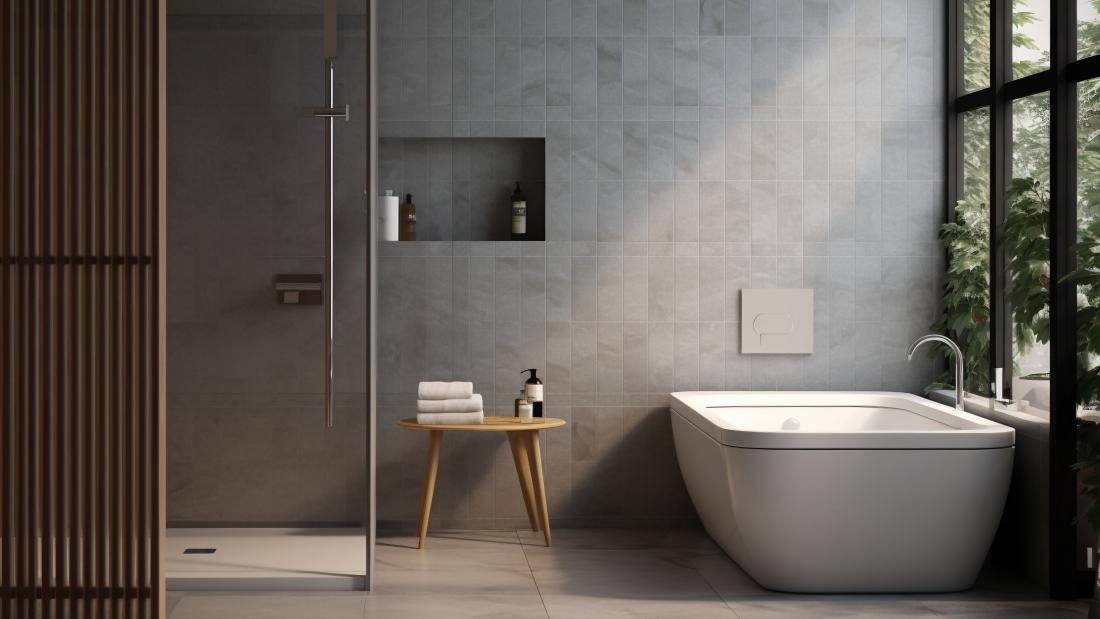
Maintenance: Keeping Your Anti-Slip Flooring Effective
Bathroom anti-slip flooring requires regular maintenance to stay effective. Over time, soap residue, hard water minerals, and general grime can fill in the texture and pores that provide grip, gradually reducing the floor's slip resistance.In Malaysia, hard water is common in many areas, and the mineral deposits left behind after water evaporates can create a smooth film over textured tiles. Regular cleaning with an appropriate bathroom cleaner helps remove these deposits. Avoid using wax-based cleaners or polishing products on anti-slip tiles — these products are designed to create a smooth finish, which is precisely the opposite of what you want on a bathroom floor.
For homes using anti-slip mats, check them monthly for signs of deterioration. Suction cups can lose their grip over time, and the texture on rubber mats can wear down with heavy use. Replacing worn mats promptly is a simple but important safety habit.
Anti-Slip Flooring for Elderly and Special Needs Households
Malaysia has an ageing population, and many families are now thinking more carefully about making their homes safer for elderly parents or grandparents. For households with elderly residents or family members with mobility challenges, bathroom anti-slip flooring becomes even more critical.
Falls among the elderly can result in serious injuries, including hip fractures, which have a significant impact on quality of life and can require lengthy hospitalisation. Beyond flooring, consider installing grab bars near the toilet and shower, using a shower seat or bench, and ensuring the bathroom door opens outward so that a fallen person does not block it from being opened.
The combination of good bathroom anti-slip flooring with these other safety measures creates a significantly safer bathroom environment for everyone in the household.
Frequently Asked Questions
Q: Can I make my existing tiles anti-slip without replacing them?
Yes, absolutely. Anti-slip chemical coatings are specifically designed for this purpose. They are applied onto the surface of existing tiles and work by creating microscopic texture at a chemical level. The treatment is typically colourless and does not change the appearance of your tiles significantly. It is a popular and cost-effective option for Malaysian homeowners who want to improve bathroom safety without undertaking a full renovation.
Q: How do I know if a tile is genuinely anti-slip before buying?
Look for tiles that carry a recognised slip resistance rating. The R rating system (R9 to R13) and the P rating system (P3 to P5) are widely referenced in Malaysia. For home bathrooms, a minimum of R10 or P4 is recommended. When shopping at tile stores in Malaysia, ask the salesperson specifically for tiles rated for wet barefoot areas, and request to see the product's test certification if available.
Q: Are anti-slip mats enough on their own, or do I need to change my flooring?
Anti-slip mats are a helpful safety measure, but they work best as part of a broader approach rather than as the sole solution. A mat covers only a small area of the bathroom floor, while the rest of the floor may still be dangerously slippery. For maximum safety, combining good quality mats with either a professional anti-slip coating treatment or anti-slip rated tiles provides much better overall protection — especially in a wet bathroom environment like those commonly found in Malaysian homes.